



Nigeria’s Free Trade Zone (FTZ) scheme stands today at a critical crossroads. Conceived as a strategic instrument for industrialisation, export growth, and economic diversification, the scheme has yet to deliver its full promise, not for lack of potential, but for lack of decisive leadership and informed policy action.
In 2023, President Bola Ahmed Tinubu took a commendable step by approving the constitution of a high-level committee to review and reform the FTZ framework. The committee, led by the Honourable Minister of Finance with key economic ministries represented, was expected to produce recommendations capable of repositioning Free Trade Zones as engines of national competitiveness.
Three years down the line, the outcome remains disappointing. Information from the cabinet office reveals that a tentative report had been submitted to the Minister of Trade since last year, but up till this moment, no meaningful reform has followed. This prolonged silence raises serious questions about institutional commitment to a scheme that has become indispensable in the modern global trading system.
The issue is not ill intent but, largely, insufficient understanding of what Free Trade Zones can offer when properly designed and managed. FTZs are not merely enclaves for tax incentives; they are platforms for industrial clustering, export manufacturing, technology transfer, logistics efficiency, and job creation. Countries that understand this, from Asia to parts of Africa, have used FTZs to accelerate development and integrate successfully into global value chains.
Unfortunately, Nigeria has yet to treat its FTZ programme with the seriousness it deserves. Responsibility for this situation must be shared. Government ministries, regulatory authorities, zone operators, investors, and Free Zones associations have all played a role, whether through policy inertia, weak advocacy, or fragmented stakeholder engagement.
The consequences of inaction are now magnified by the realities of the African Continental Free Trade Area (AfCFTA). In an integrated African market, countries with efficient production hubs and competitive trade infrastructure will dominate regional supply chains. Those without them will become consumers rather than producers.
The worst of this is that while other countries are achieving approval of Free Trade Zone application in seven days, Nigeria is now taking ours in three years or more. Free zones authorities will collect an application Fee of $10,000 from prospective investors, their application and feasibility reviewed and forward a recommendation to the Ministry of Trade, Investment and Industry only for the ministry to hold on their recommendation on the ground that FTZ/SEZ in Nigeria is being reviewed, and when will this end, so that investors whose fate on developing and investing a FTZ can get response will not be Mystery. ABUAD and other applications have been in the Ministry now for some years. This is not good enough for the country’s image.
If Nigeria continues on its present course, it risks becoming a dumping ground for goods manufactured elsewhere in the sub-region despite having the largest market, the deepest talent pool, and some of the most strategically located ports in West Africa. This would be an economic paradox of monumental proportions.
Yet, Nigeria has everything it takes to succeed. The country possesses scale, entrepreneurship, geographic advantage, and policy experience. What is missing is urgency, coherence, and leadership clarity.
The time has come for decisive action. The Presidency must reassert Free Trade Zones as a national economic priority and demand measurable outcomes from supervising institutions. The National Assembly must exercise its oversight responsibility by interrogating the state of the FTZ scheme and ensuring that laws, incentives, and institutional arrangements align with contemporary trade realities.
Equally important, stakeholders within the FTZ ecosystem must rise beyond narrow interests and act collectively. Managing Directors, regulators, investors, and association leaders must speak with one voice, backed by evidence, strategy, and a clear vision of Nigeria’s place in regional and global trade.
A stitch in time saves nine. Delay will only increase the cost of reform and deepen Nigeria’s vulnerability in an increasingly competitive African economy. The choice before us is simple: reposition Free Trade Zones as drivers of national prosperity or allow a powerful development tool to wither through neglect.
Nigeria cannot afford the latter.
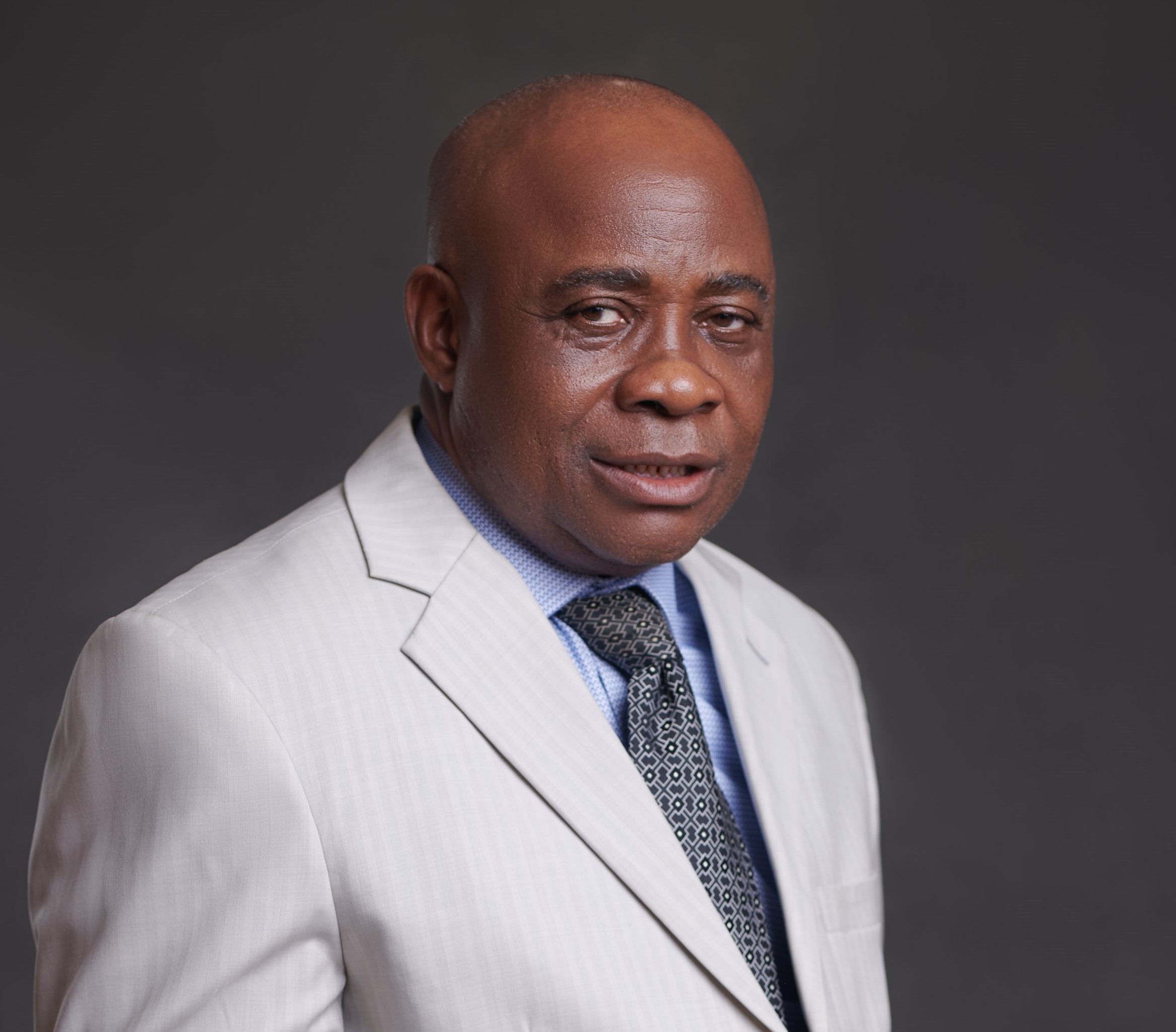
Author’s Profile: Chris Ndibe is a Communication & Free Trade Zone (FTZ) consultant and author. He is a retired Director of the Nigeria Export Processing Zones Authority (NEPZA). One of the Founding Board members of World Free Zones Organisation (WFZO), and former executive secretary of the African Free Zones Association (AFZA).